
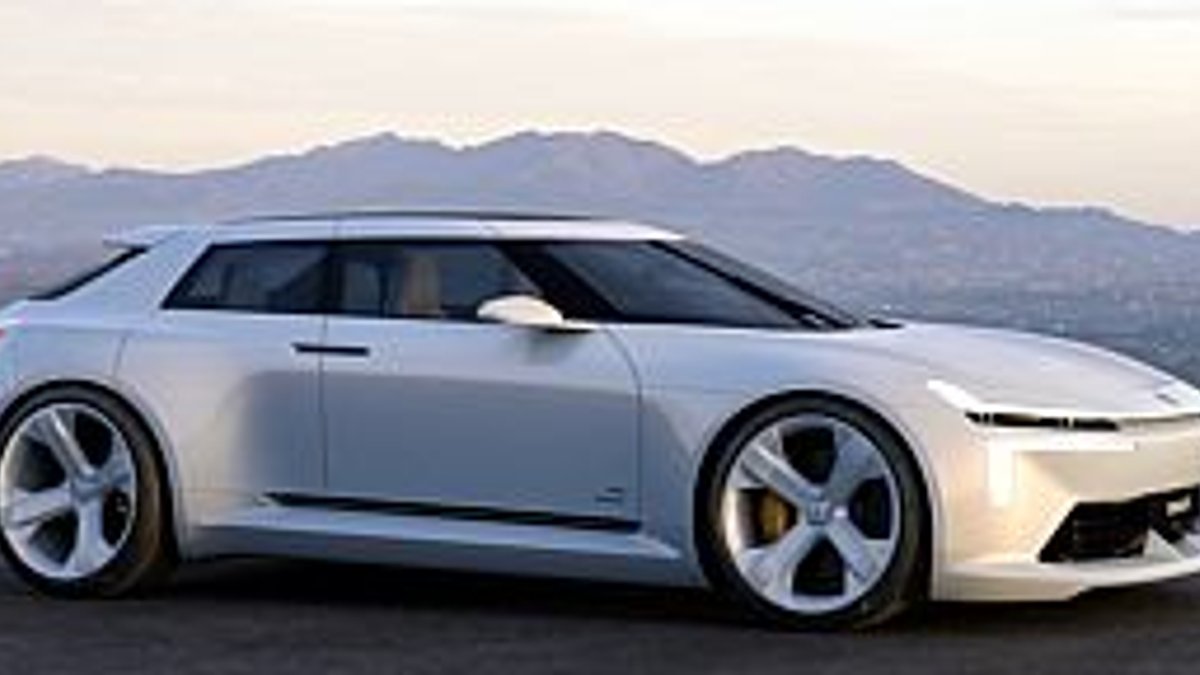
Polestar has unveiled its Formula 2030 concept, a sleek four-door electric shooting brake. This design previews the next-generation Polestar 2, due in 2027, and the Polestar 7 compact SUV, set for 2028. The concept made its global debut during a recent Polestar 4 media drive, showcasing the brand’s future design direction.
A Striking Vision from Polestar’s New Design Chief
The concept, the first under design chief Philipp Römers, who joined from Audi in 2025, won’t be produced. However, its elements will influence the upcoming models. Measuring 4,680mm long, 2,021mm wide, and 1,350mm tall on a 2,780mm wheelbase, it sits between the two future models in size. Its low-slung roofline, even lower than the Polestar 5 grand tourer’s, reflects the practicality of the recently launched Polestar 4.
Evolving Design Language
The front features Dual Blade headlights integrated into a front aero wing, hinting at the next Polestar 2’s face. The wraparound windscreen and single vertical wiper nod to the original model, maintaining a connection to Polestar’s heritage. The headlights are designed to enhance aerodynamic efficiency while providing a distinctive visual signature.
The rear sees a significant change: the full-width light bar is replaced by a Single Blade tail-light signature, confirmed for both the Polestar 2 and 7. Pronounced rear haunches also foreshadow the Polestar 7’s shape, emphasizing a muscular and dynamic stance. This new rear design marks a departure from Polestar’s current range, signaling a bold new direction.
Other exterior details include 22-inch center-lock wheels with Brembo calipers in Swedish Gold, a lit-mount rear wing, a deep diffuser, and a LiDAR unit that emerges from beneath a shroud when autonomous mode is engaged. The body is finished in Nitrogen, a new color that reacts to natural light, creating a unique visual effect depending on the environment.
Driver-Centric Interior with Sustainable Touches
The four-seat cabin, accessed via pillar-less opposing doors, is built around the driver. A 20-inch curved HyperDIM instrument display mounts to the steering column, while a 12.2-inch center screen sits in a rising tunnel. Below the screen is a panel of eight customizable mechatronic controls, offering a choice of rocker or rotary switches and programmable hot keys, blending physical and digital interactions seamlessly.
A sliding selector switches between Performance, Normal, and Autonomous modes, physically adjusting the screen, steering wheel, and seat position. In Autonomous mode, the screen stands upright, and the wheel and seat move apart, while in Performance mode, the screen sits flush, and the wheel pulls toward the driver. This dynamic reconfiguration enhances both comfort and control.
Sustainability is key, with exposed structural parts made from low-emission galvanized steel, seatbacks using a flax and bio-based polypropylene composite, and fully recyclable door interiors. The use of European flax in the seatbacks not only reduces environmental impact but also adds a natural, premium texture to the cabin.
While powertrain details remain undisclosed, Polestar engineers suggest the wheelbase could accommodate the Polestar 4’s 100kWh battery, offering a range of around 629km. This hypothetical setup highlights the concept‘s potential for long-distance electric travel without compromising performance.


