
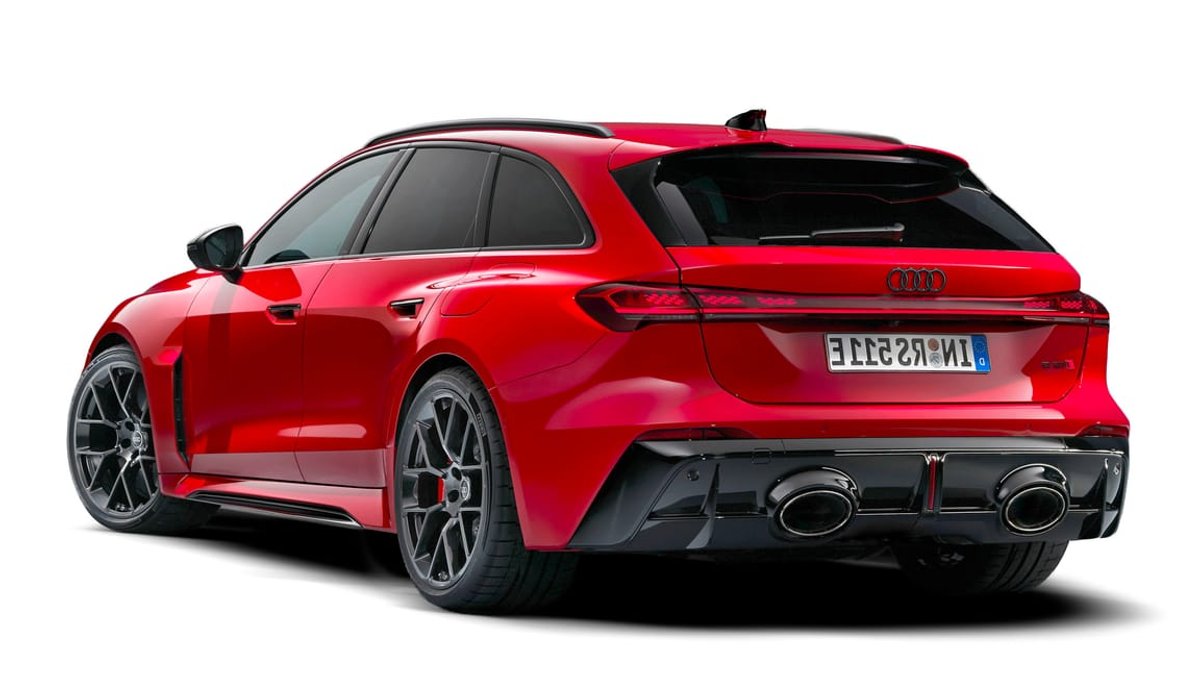
Audi’s latest RS5 Avant introduces a design that prioritizes boldness, drawing praise and critique from automotive designer Frank Stephenson, whose past work includes the BMW Mini, Maserati MC12, and McLaren P1. Stephenson has analyzed whether the new model meets expectations in its updated form.
The RS5 Avant continues its legacy as a high-speed vehicle, maintaining dominance at velocities exceeding 120 mph. Stephenson observes that the latest iteration is less discreet than earlier versions. The transition from the RS4 to the RS5 nameplate reflects progress, yet the fundamental combination of practicality, speed, and electrification remains unchanged.
The car’s overall dimensions stand out as its most compelling feature. A lengthy hood, low windshield frame, and pronounced wheel arches create a harmonious stance, even with the inclusion of a large battery pack. Unlike many contemporary hybrid models, it avoids the bulky appearance often associated with electrification. Stephenson points to the side view as particularly effective, though the front end adopts a distinct style.
The single-piece grille now integrates side air intakes, producing a forceful visual impact. Advanced Matrix LED lighting enhances sophistication but appears visually intense. The chequered flag pattern, applied across multiple surfaces, serves more as decoration than a lasting design element. Earlier Audi models leaned toward subtlety, whereas this version actively seeks to draw the eye.
Read Also: Lo-fi design enhances Resident Evil 2’s enduring horror appeal
At the rear, the elliptical exhaust outlets take center stage, their size and positioning reduce the car’s perceived width while making a bold impression. Stephenson compares them to those found on hypercars, though their exaggerated proportions may divide potential buyers. The rear door’s distinctive shape and wide arches further reinforce the RS5’s commanding presence.
Stephenson’s assessment is unequivocal: the RS5 Avant delivers on its promise. It combines the utility of an estate car with high performance and electrification. The design compromises, such as the front end’s assertive styling or the exhaust system’s exaggerated scale, are intentional, ensuring the vehicle stands out.
The battery’s rear placement helps maintain a low roofline, preserving the car’s streamlined silhouette. Audi has demonstrated its ability to merge performance and practicality in an estate format, even as the RS5 adopts a more aggressive visual identity. The model’s electrified powertrain maintains the brand’s reputation for innovation while addressing modern demands.


