
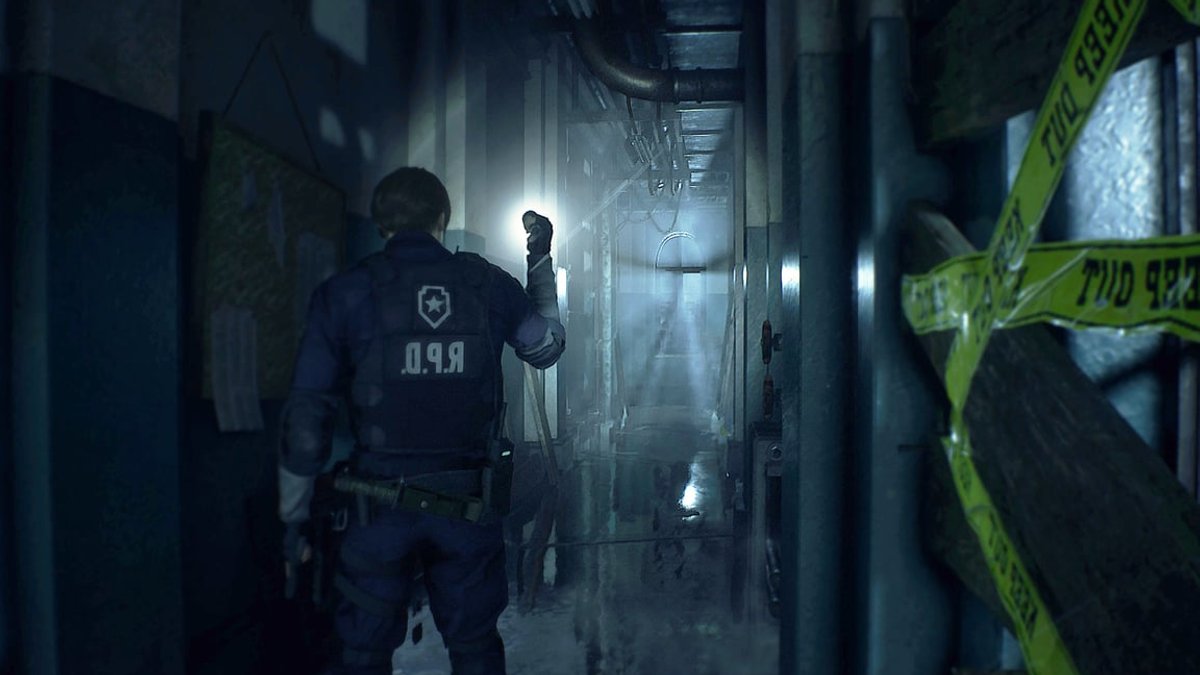
The 1998 release of Resident Evil 2 remains a landmark in gaming, celebrated for its enduring appeal. Its success, according to the report, lies in its low-fidelity design, which enhances the game’s atmosphere and player engagement. This principle, that fidelity is the enemy of atmosphere, has been a cornerstone of survival horror games for the past 25 years, proving that sometimes less is more when it comes to creating dread and mystery.
Set in the sleepy midwestern town of Raccoon City, the game’s narrative revolves around a biochemical weapon developed by the Umbrella Corporation, turning residents into zombies. Players follow Leon Kennedy, a junior police officer on his first day of duty, and Claire Redfield, a college student searching for her brother Chris, as they work through the crisis. Their paths cross, and through stilted dialogue, they form an unlikely partnership to increase their chances of survival.
The Power of Suggestion
The game’s pre-rendered backgrounds and disquieting camera angles create an immersive experience, allowing players to fill in the details with their imagination. This approach, reminiscent of impressionist painting, supports a sense of dread and mystery, making the game’s environment feel more detailed and engaging. The scarcity of polygons and limited sound samples forced developers to rely on suggestion and implication, transforming players into active participants in the horror experience.
Mastering Moment-to-Moment Terror
Capcom perfected the art of moment-to-moment terror in the first two Resident Evil games. The fixed camera angles, often placed in awkward positions, created a constant sense of anticipation and unease. The slow door-opening cutscenes, initially designed to disguise loading times, became a masterclass in tension-building, giving players’ imaginations time to conjure up the horrors that might lie beyond. This technique, combined with the game’s sparse sound design, ensured that every creak, groan, or shuffle sent shivers down players’ spines.
Read Also: Skoda Kodiaq vRS proves practical for families with strong efficiency
The game’s puzzle-solving elements also added to its appeal, offering a fresh and mysterious experience in 1998. The Raccoon City Police Department’s elaborate filing system, involving antique busts and gemstones, provided a unique and engaging challenge for players. This approach not only added depth to the gameplay but also reinforced the game’s atmosphere, making the world feel more lived-in and believable. The puzzles often required players to explore every nook and cranny of the environment, further immersing them in the game’s eerie setting.
In a departure from typical zombie games, Resident Evil 2’s combat is deliberately unsatisfying. The awkward controls, disorienting camera angles, and scarcity of ammo make encounters with zombies a resource-draining struggle, emphasizing the player’s vulnerability. This design choice was intentional, as it forced players to approach combat with caution and strategy, rather than relying on brute force. The result was a game that rewarded careful planning and resource management, further enhancing the sense of tension and danger.
A Lasting Legacy
The 2019 remake of Resident Evil 2 showcases the game’s enduring appeal, presenting the familiar setting with modern graphics and lighting techniques. While the remake offers a different gameplay experience, it retains the essence of the original, ensuring its place as a worthy companion piece. The remake’s success lies in its ability to balance nostalgia with innovation, introducing new players to the world of Resident Evil while still appealing to longtime fans. The updated graphics and sound design serve to enhance the game’s atmosphere, rather than detract from it, proving that the core principles of the original game remain as effective as ever.
Resident Evil 2’s longevity is a sign of its quality, with players still engaging with the game 28 years after its initial release. Its ability to balance narrative subtlety, complex gameplay, and atmospheric tension has solidified its position as one of the best games of all time. The game’s impact extends far beyond its initial release, influencing countless other titles in the survival horror genre and demonstrating the enduring power of low-fidelity design in creating immersive and engaging experiences.


