
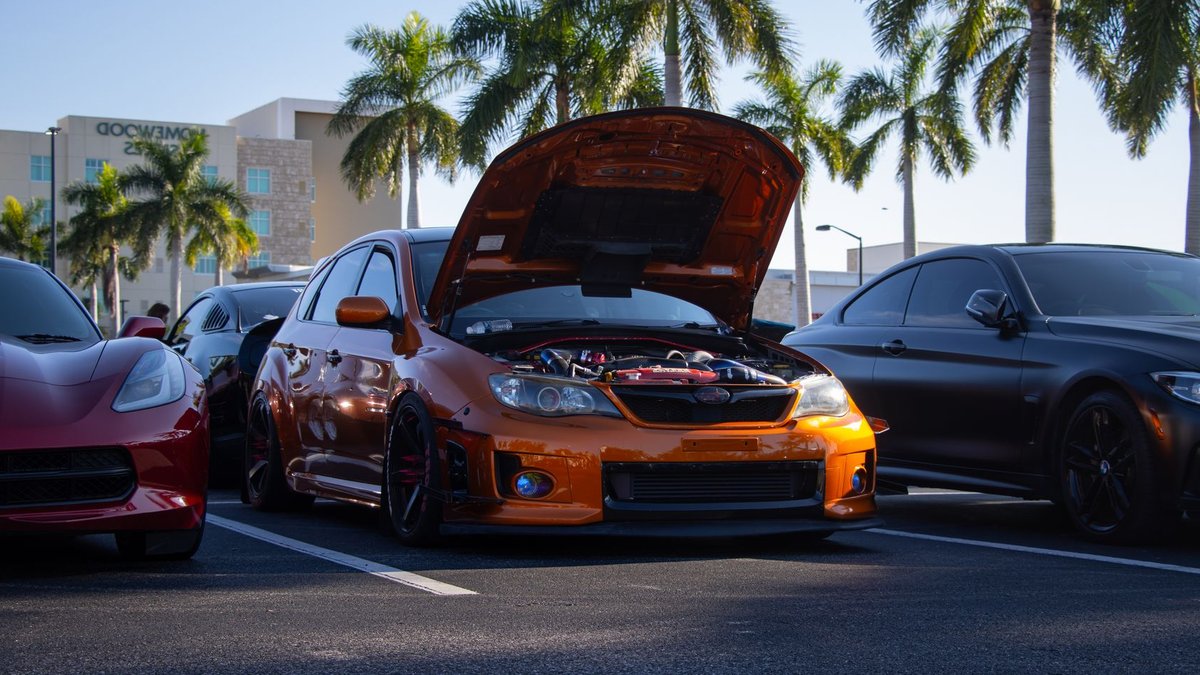
Subaru’s sales in South Africa remain minimal, with fewer than 100 vehicles sold each month, positioning it as one of the least popular car brands in the country. Despite its strong reputation for safety and dependability, the automaker trails far behind market leader Toyota, which sold over 14,495 units in October 2026 alone. Subaru’s October 2026 figures—just 83 units—place it 33rd among 34 manufacturers, ahead only of Ferrari. This performance highlights its narrow market presence in a competitive market, with the brand’s ranking having slipped from 25th place in 2016 due to the influx of new competitors over the past five years.
Other Japanese brands significantly outperform Subaru in South Africa. In October 2026, Nissan sold 698 units, Honda recorded 226 sales, Mitsubishi achieved 188, and Mazda moved 160 vehicles. Even Suzuki, which primarily offers budget models produced in India, sold more than Subaru, benefiting from its cost advantage in the entry-level segment. The brand’s limited dealer network and reliance on imported vehicles further restrict its market share, particularly in areas where service and spare parts are less accessible, while also contributing to weaker resale values compared to more widely available brands.
Over the past decade, Subaru has avoided the steep declines seen by some rivals. In October 2016, Nissan sold 3,692 units, while Mazda and Honda also far exceeded its sales, with 972 and 720 units respectively. Subaru’s drop from 25th to 33rd place in rankings reflects the growing influence of Chinese and Indian brands rather than a decline in its own performance. Currently, it offers three models: the R609,000 Crosstrek, the R699,000 Forester, and the R899,900 WRX, all marketed as premium off-road vehicles, though their pricing and import status limit broader appeal.
Read Also: Raubex hits R4.26bn roadwork milestone amid strong demand
Subaru’s business approach emphasizes build quality, safety features, and premium pricing rather than competing on cost. However, the rise of cheaper Chinese and Indian imports, such as Jetour’s T1 and T2 SUVs, has reduced its market niche, with these alternatives encroaching on its off-road capabilities at significantly lower price points. While Subaru vehicles maintain a strong reputation for reliability, higher ownership costs, including maintenance and spare parts, may discourage buyers in a price-sensitive market, particularly those outside major urban centers where service infrastructure is limited.
For consumers who value off-road performance and brand prestige over affordability, Subaru remains a practical option. Yet in a market increasingly dominated by budget-conscious alternatives, its small scale and dependence on imports pose ongoing challenges. The automaker’s decision to avoid price competition with Chinese brands demonstrates its focus on maintaining a distinct identity, even if it means serving only a dedicated customer base. The brand’s sales figures, such as Salvador Caetano’s 243 units for GAC and JMC, further illustrate how Chinese marques have reshaped the market.


