
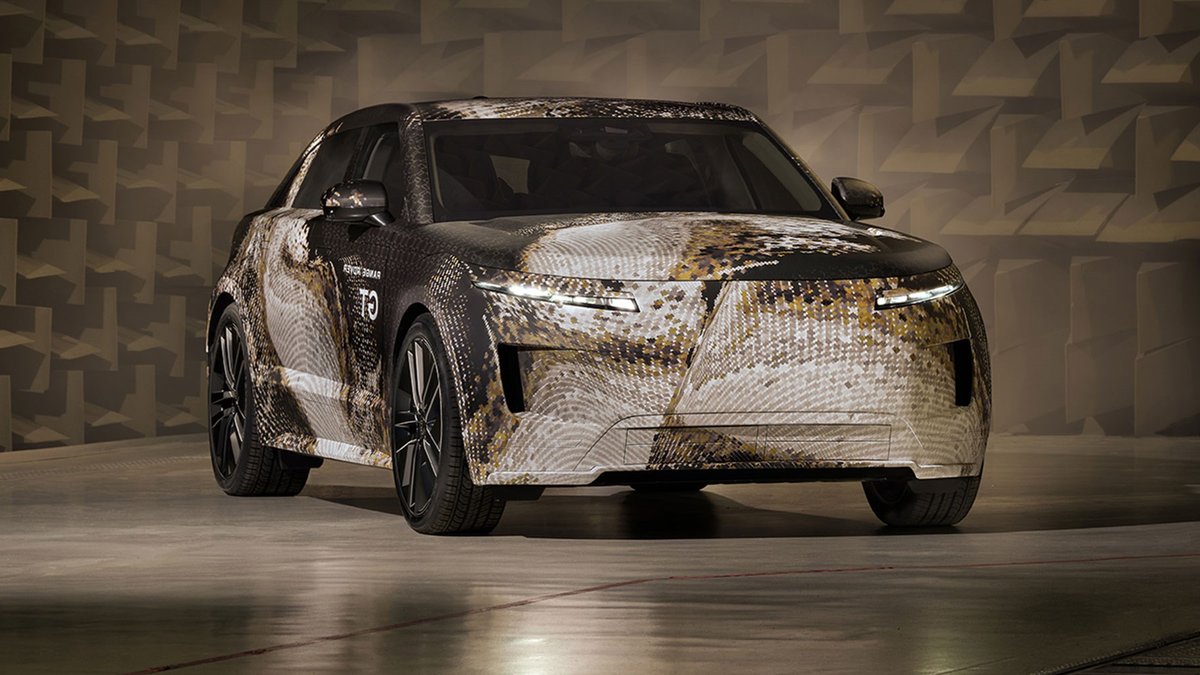
The new Range Rover GT has finally been unveiled, and staff at CAR magazine have weighed in on whether the low‑slung, electric grand tourer will find a market.
First impressions from the editorial team
One writer notes that the vehicle feels like a long‑rumored concept finally materialising, thanks to advances in battery‑electric platforms. “The Road Rover lives!” they wrote, adding that the GT could fill a niche that has been “arguably as long as I’ve been alive.” The piece suggests the model may appeal to a segment that overlaps with Jaguar’s Type 01, but cautions that internal cannibalisation has been a hallmark of JLR’s recent strategy.
Another contributor argues the GT must meet three criteria to succeed: it should retain some off‑road capability, offer a “gorgeous” cabin, and deliver the premium aura that comes with the Range Rover badge. “I think it’s going to be okay, lads,” they conclude, hinting that the vehicle’s comfort and brand cachet could outweigh any shortcomings.
Related: Experts Call for 20mph Town Limits
Senior Content Creator Amrit Kaur points out that Range Rover remains the stronger of JLR’s two brands, making it logical for the company to leverage its electric technology across the lineup. Kaur questions whether buyers truly want a lower‑slung version of a traditionally high‑riding SUV, but sees the GT as a “reassurance” that JLR can still innovate in a “considered way.”
Critics question the market fit
One analyst observes that the GT’s design could help Land Rover differentiate itself from fast‑following Chinese rivals imitating the Defender’s aesthetic. The electric drivetrain may also position it as a forward‑looking alternative in a segment increasingly focused on sustainability.
While opinions vary, a common thread emerges: the GT must balance the heritage of the Range Rover name with the expectations of a new, more road‑oriented audience.
Related: Driving in China a chaotic experience
Its future remains uncertain.
Reception will likely hinge on how well JLR can deliver the promised comfort and performance without alienating traditional Range Rover enthusiasts. If the model can maintain the brand’s luxury feel while offering a fresh electric experience, it may carve out a niche among buyers seeking premium motoring without the typical SUV bulk.


