
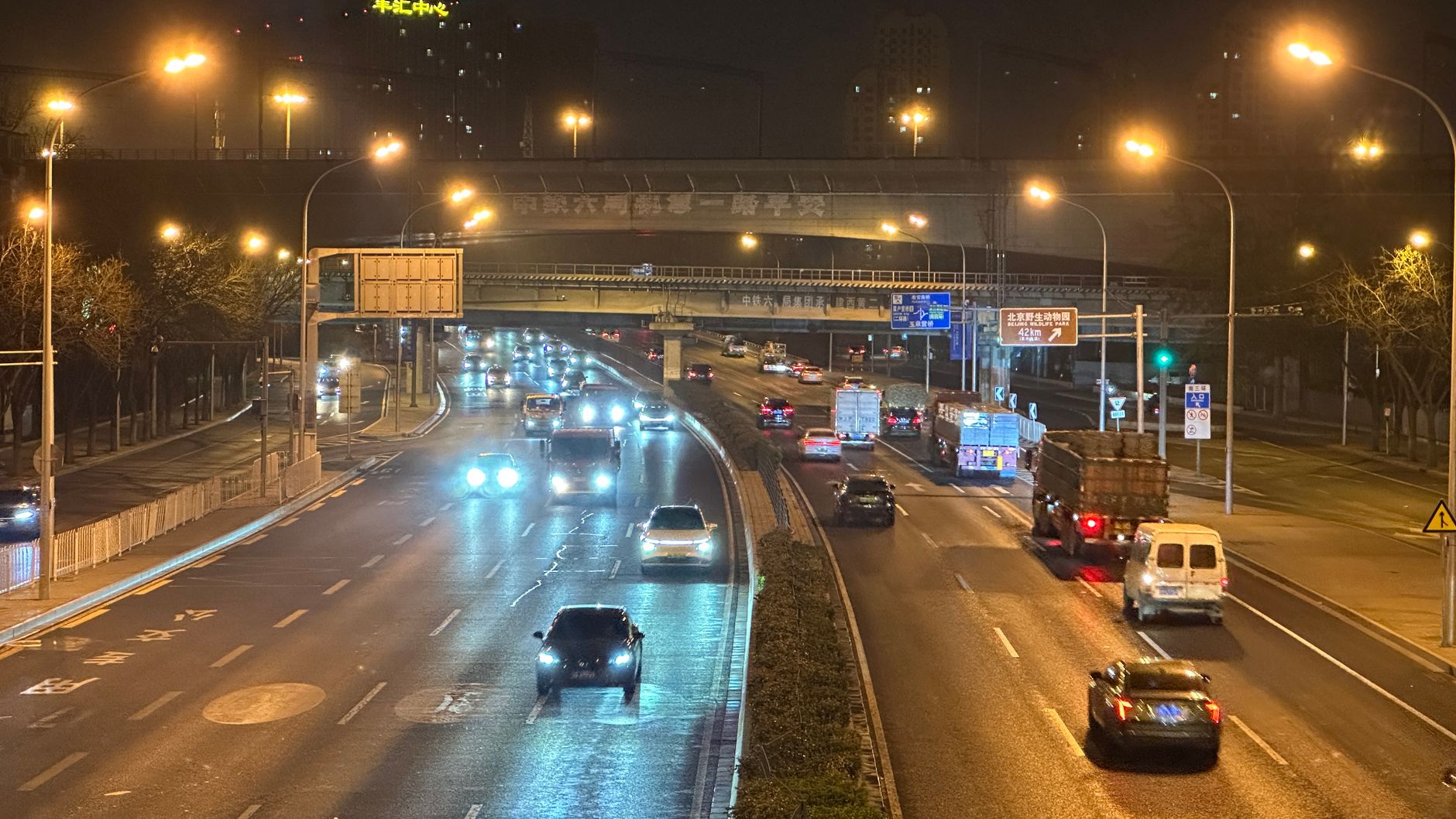
Obtaining permission to drive in China requires significantly more effort than presenting an international driving permit. Luke Wilkinson, a journalist accustomed to driving high-performance vehicles in Europe, discovered this during a recent press trip for the Xpeng P7+. The country does not recognize international permits, forcing visitors to handle a complex bureaucratic process at local police stations before they can legally operate a vehicle.
A Strict Licensing Process
Wilkinson arrived at a station in Guangzhou the day after landing with a specific set of documents. He needed his passport, a physical driving licence, a photocopy of that licence, and a passport-style photograph. The atmosphere inside the station was formal, and the police officers maintained a serious demeanor throughout the proceedings.
The morning began with an interview and paperwork. None of the forms were available in English, requiring an officer to indicate where signatures were needed. Following the paperwork, Wilkinson sat through a 30-minute video presentation in a monitored classroom. The footage consisted entirely of traffic accidents captured by CCTV and dashboard cameras.
Related: First Half 2026 Car Sales: Winners and Losers
A significant portion of the video focused on moped accidents involving heavy trucks. The graphic nature of the footage was intended to instill caution, though the narration was entirely in Chinese. Following the video, the form was snatched away by one officer to be stamped, then taken by another at the door, and finally returned to the front desk for two additional officers to verify. After a thirty-minute wait, the temporary licence was printed, laminated, and signed for in a logbook. The document grants him legal driving status until February 2026.
Handling the Traffic
The training session provided little preparation for the reality on the road. Wilkinson described the driving style as aggressive and tightly packed, resembling a NASCAR race where drivers leave minimal space between vehicles. Cars force their way into gaps that appear too small, creating a high-stress environment that one observer compared to Italian traffic on steroids.
Moped riders presented a constant hazard. They frequently disregard traffic laws, splitting lanes between trucks, driving on sidewalks to bypass congestion, and running red lights. Pedestrians also contribute to the chaos by crossing roads at undesignated locations without warning. This aggressive environment creates a distinct feedback loop often seen in rapidly developing economies, where infrastructure struggles to keep pace with vehicle volume. Unlike Western nations where traffic laws usually evolve alongside road networks, China’s explosion in car ownership has outpaced the cultural adaptation to regulated driving. This gap creates a dangerous unpredictability that human drivers struggle to manage.
Related: 1964 Ford Wagon Has Living Room Sofa
Wilkinson recorded his drive to document the experience, noting the mental fatigue caused by the constant need to anticipate erratic behavior. His internal monologue focused on the proximity of other vehicles and the sudden appearance of mopeds and buses from blind spots. Even a local driving instructor, who typically coaches karting teams in Europe, expressed dread at the local conditions.
Digital Distractions and Autonomy
The instructor offered insight into why the traffic behaves so erratically. He pointed out that drivers frequently use mobile phones behind the wheel, leading to sudden braking and weaving. There is also a cultural pressure to save time, with many drivers viewing traffic laws as secondary to their schedules.


