
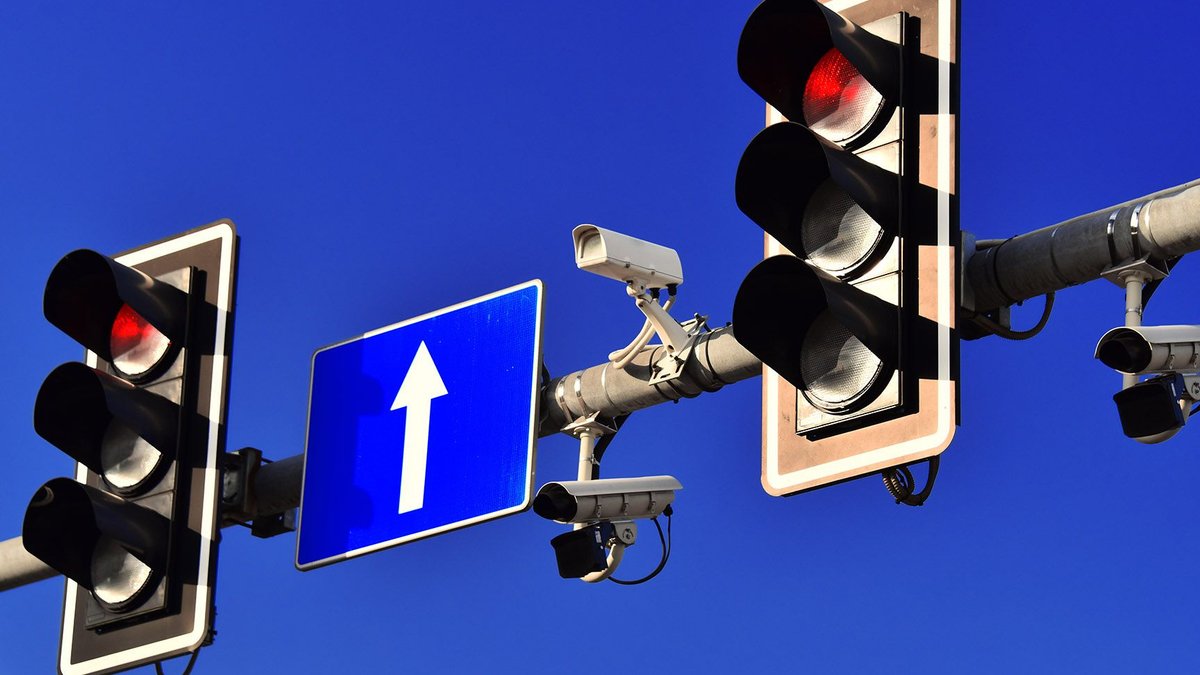
Innovative traffic light systems in several U.S. cities are curbing speeding without imposing fines. Albuquerque, New Mexico, calls its program “Rest on Red,” while Portland, Oregon, refers to it as “Rest in Red.” Both initiatives rely on roadside sensors to monitor the speed of approaching vehicles.
In the absence of traffic, these signals remain red by default rather than staying green. Vehicles traveling at or below the posted speed limit can activate a green light when conditions allow. However, drivers exceeding the speed limit may encounter a red light, forcing them to stop and wait, thereby negating any time saved from speeding.
Albuquerque launched its program approximately three years ago along Lead and Coal Avenues in response to concerns about speeding, accidents, and property damage. The city has since expanded the technology to additional intersections on these streets and Broadway. Officials report that more drivers are adhering to speed limits, and residents have provided positive feedback.
Portland, after consulting with Albuquerque, implemented its version of the system, currently operational overnight on sections of Southeast Powell Boulevard. At the initial pilot intersection, average vehicle speeds reportedly dropped from 63 km/h to 48 km/h, aligning with the posted limit.
Baltimore has also shown interest in this approach, according to Albuquerque officials. The system is described as a “virtual speed bump,” as it modifies driver behavior without introducing physical barriers on the road.
Albuquerque integrates Rest on Red with automated speed enforcement and traffic signals synchronized for a 48-km/h travel speed. While officials note calmer traffic and enhanced safety, the presence of multiple measures makes it challenging to isolate the program’s specific impact.
Each intersection must be individually assessed by engineers to ensure the technology operates safely and effectively. This system allows cities to promote adherence to speed limits without fines, offering a promising method to enhance road safety.
As cities seek innovative ways to reduce speeding and improve traffic safety, intelligent traffic signals like Rest on Red may become more widespread. The absence of physical infrastructure requirements makes it an appealing option for many municipalities.


