
Electric van sales are growing, but the United Kingdom still lags behind government mandates for zero emission vehicles. New figures show a slight increase in the new light commercial vehicle market, yet the pace of adoption remains far from the targets set for 2026.
August growth masks deeper issues
The UK’s new light commercial vehicle market recorded a small rise in August, marking the fifth consecutive month of growth. According to data from the Society of Motor Manufacturers and Traders, there was a 0.6% year-on-year uplift, with 14,445 new LCVs registered. Year-to-date totals now sit at 201,671 units, a 4% increase on the same period in 2025.
It was a strong month for electric van uptake, with registrations rising 25.9% to 2,395 units and a record 16.3% market share. However, the SMMT warned that August’s typically low overall volumes can exaggerate percentage shifts. Despite electric models accounting for more than two-in-three van types on sale, year-to-date market share remains just 11%.
That figure is less than half of the 24% zero emission vehicle target required for 2026. The gap between current sales and regulatory requirements highlights the challenges facing the industry, particularly as higher upfront costs and limited charging infrastructure continue to deter buyers.
Related: Fleet software must adapt to shifting demands
Mike Hawes, chief executive of the SMMT, explained that the Government’s decision to bring forward its review of the mandate is essential. “With EV demand remaining drastically adrift of mandate targets,” Hawes said, “Government’s decision to bring forward its review is essential, and meaningful change will be required to sustain a market that keeps the economy moving.”
Reforming the regulation to align with market conditions could help drive investment and protect the UK’s competitiveness. The industry argues that such adjustments are necessary to support a sustainable transition to zero-emission vehicles.
Market leaders and shifting trends
Large vans drove overall growth in the new LCV market, rising for a ninth month by 5.2% to 10,943 units. Demand in the small volume 4×4 sector also grew significantly, by 165.6% with 510 registrations. The medium- and small-sized van segments, however, both fell, by 3.9% and 15.1% to 2,289 and 299 units respectively.
Registration is now open for Fleet & Mobility Live 2026, Europe’s biggest two-day fleet expo, featuring expert seminars, manufacturer brands, and sector suppliers.
Related: Why Reliability Beats Speed for Fleets
Pick-ups recorded the steepest decline of 61.2% to 404 units, down to just 2.8% of the market following last year’s reclassification of double cab pick-ups for benefit-in-kind tax purposes. Given the sector’s importance to essential industries and fleet renewal, the SMMT says the industry continues to call for a change in the Government’s tax treatment of these vehicles.
Sue Robinson, chief executive of the National Franchised Dealers Association, noted that the gap between electric van uptake and mandated targets shows that challenges remain. “Businesses need confidence and the right conditions to invest,” she said, “and regulation must reflect market realities while supporting a sustainable transition to zero-emission vehicles.”
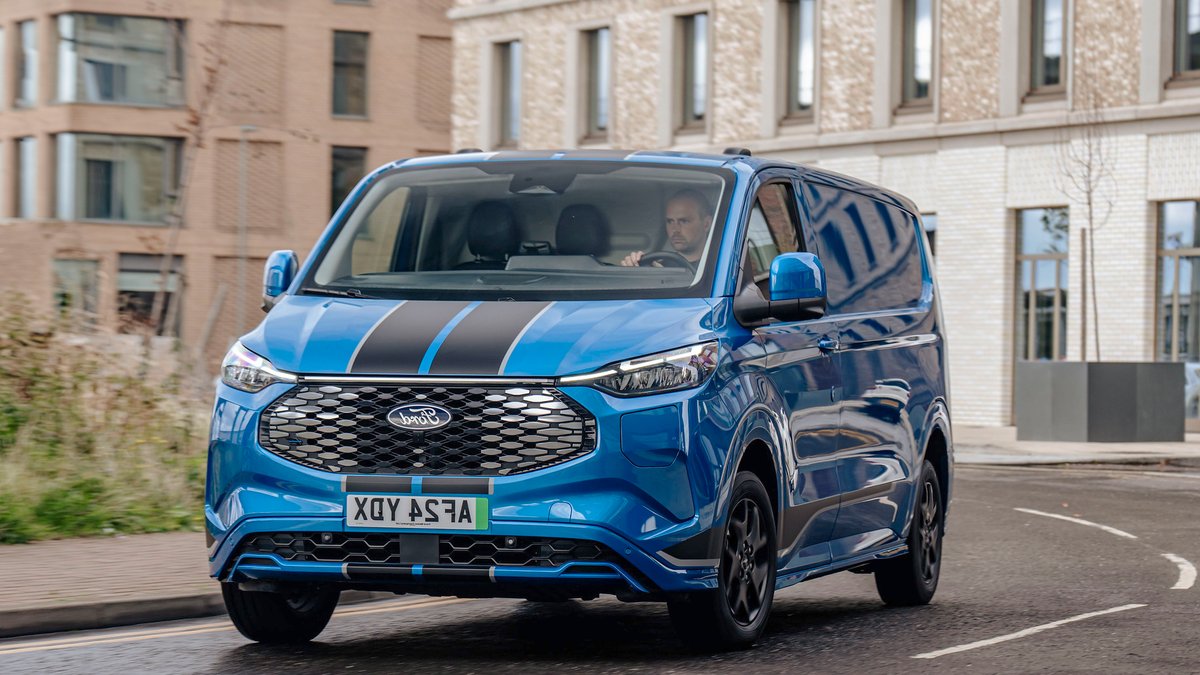
Within the top three best-selling vans, the Ford Transit Custom took the lead with 1,707 units registered in August, just ahead of the Mercedes-Benz Sprinter (1,432 units) and the Volkswagen Transporter (915 units). Year-to-date, the Transit Custom remains the market leader, with more than double the registrations of the Ford Transit in second place.


