
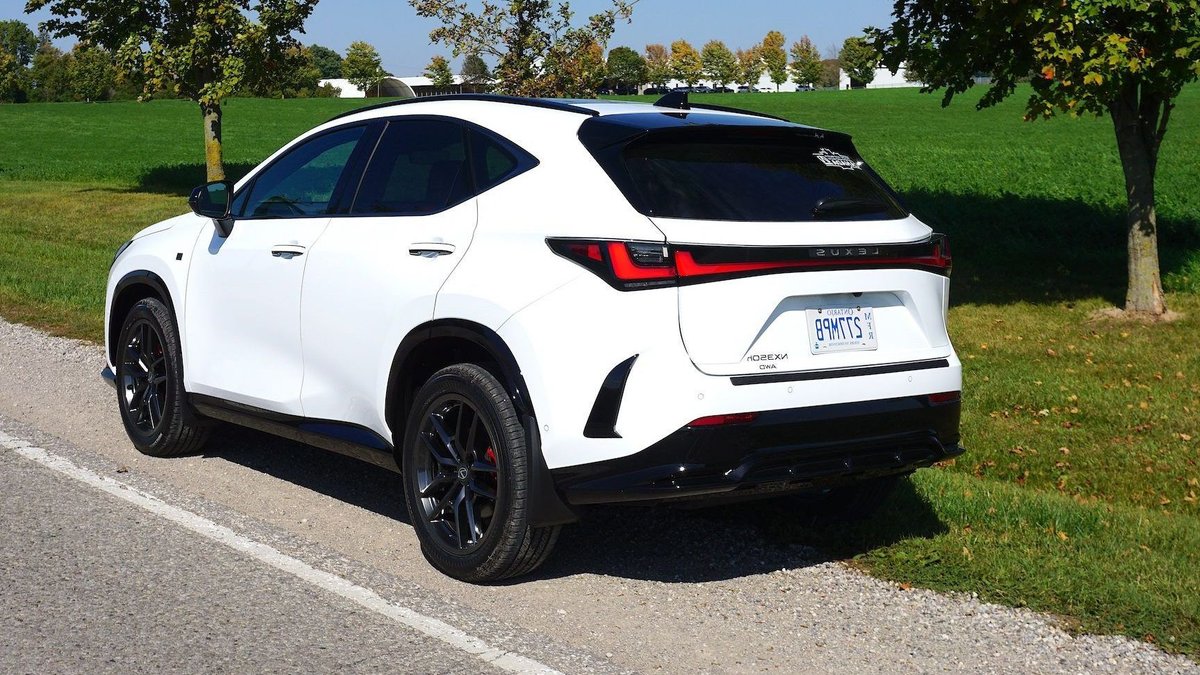
The 2027 Lexus NX arrives as a fully electrified lineup, replacing its long-running gas-only NX 350 model with two hybrid variants: the self-charging NX 350h and the plug-in NX 450h+. This marks a significant shift for Toyota, which has traditionally balanced risk with tradition—especially for Lexus, where the NX has been its top seller. In Canada, the gas-powered NX 350 accounted for roughly one-third of Lexus sales through September, but the brand is now betting on the rising demand for electrified vehicles. So far in 2026, Lexus has delivered over 130,000 electrified models in the country, and the new NX aims to build on that momentum.
The 2027 NX undergoes a substantial refresh rather than a complete redesign, with improvements in aerodynamics, structural rigidity, and hybrid technology. Both models retain the 2.5-liter four-cylinder engine paired with a continuously variable transmission, but the hybrid system has been upgraded. The NX 350h now features a three-motor e-Axle setup, integrating the transaxle, motor, and power control unit into a more compact and lightweight package. This lowers the center of gravity while improving efficiency, with reported fuel economy of 5.6 L/100 km in city driving, 6.9 L/100 km on highways, and 6.2 L/100 km combined—slightly better than the 2026 model’s figures. Lexus recommends premium fuel for optimal performance, though it is not mandatory.
The NX 450h+, built in Japan, takes electrification further with a newly developed lithium-ion battery offering 30% greater capacity and 8% more power. It now supports DC fast charging and includes a power charge port door, along with a 20-horsepower boost to 324 hp. The result is a 0-to-100 km/h time of 5.9 seconds, one second faster than the NX 350h, and an electric-only range of 72 km, up from 61 km. Level 2 charging takes 2.5 hours to reach 80% capacity.
Exterior updates are subtle but functional, refining Lexus’s “Vital Tech” design language. Aerodynamic tweaks include rigid side grille ducts and wheel-housing fins to stabilize airflow. The headlamps now integrate turn signals and daytime running lights, while the rear features Lexus’s first “double L” signature lighting. Cosmetic changes include black-accented outer mirrors and two new exterior colors: Shaded Ivy, an ash-green tone.
Tech and luxury redefine NX’s interior
Inside, the cabin emphasizes openness and luxury, with a 12.3-inch digital instrument cluster and a 14-inch touchscreen now standard across all trims. The steering wheel has been redesigned and “responsive hidden switches” with translucent surface panels keep the dash area clean and uncluttered. Touch or hover your hand over them and, hocus-pocus, there they are. There’s also a cabin light show that extends from the instrument panel to the door trim, for those from the disco era who simply can’t live without mood lighting.
The most innovative feature is Sensory Concierge, available on Luxury and F Sport trims. This system coordinates lighting, music, climate control, seat temperature, and fragrance to create three mood-based environments.
Related Post: Ford Brings Bronco V6 Engine to More Trims
Structurally, the NX’s battery layout has shifted from longitudinal to transverse, improving lateral rigidity and lowering the center of gravity. A redesigned engine block reduces vibrations, while structural reinforcements, including a new floor cross member and tunnel ridge, enhance body stiffness. The suspension, steering, and braking systems have all been retuned, with ultra-low-speed shock absorbers smoothing rides without compromising responsiveness. Testing at Toyota’s Shimoyama Technical Centre and the Nürburgring ensures a balance between comfort and sportiness.
E-Four and engineering upgrades for grip
The E-Four all-wheel-drive system has been refined, with revised rear motor control enabling continuous AWD operation during straight-line driving, not just during launch or cornering. Lexus claims this improves stability on low-traction surfaces like snow, and testing on a fall day confirmed the system’s confidence-inspiring grip.
Pricing remains unconfirmed, but based on 2026 models, the NX 350h is expected to range between $60,000 and $72,000, while the 450h+ could land between $65,000 and $77,000. The shift away from a gas-only option reflects Lexus’s broader electrification strategy, though it may alienate buyers who prefer conventional powertrains. For now, the 2027 NX delivers refinement, technology, and hybrid efficiency; but its success will depend on whether drivers prioritize these features over the familiarity of a traditional engine.
Three trims, one electrified mission
The 2027 NX arrives in three trims: Luxury, Executive, and F Sport, each offering distinct features while sharing core technologies. The Luxury trim focuses on comfort, with standard heated and ventilated front seats, a power-adjustable rear seat, and a power liftgate. The Executive trim adds semi-aniline leather upholstery, a head-up display, and a 12-speaker Mark Levinson audio system. The F Sport trim, positioned as the performance-oriented option, includes 20-inch forged aluminum wheels, red brake calipers, and sport-tuned suspension. All trims feature Lexus’s Safety System+ 3.0, which integrates adaptive cruise control, lane-keeping assist, and pre-collision braking with pedestrian detection as standard equipment.
Under the hood, the NX 350h retains its 2.5-liter four-cylinder engine and CVT, but the hybrid system now incorporates silicon carbide power semiconductors in the inverter. These components reduce energy loss during conversion, contributing to the model’s fuel economy ratings. The NX 450h+ introduces a new lithium-ion battery with 30% greater capacity, supporting an electric-only range of 72 km.


