
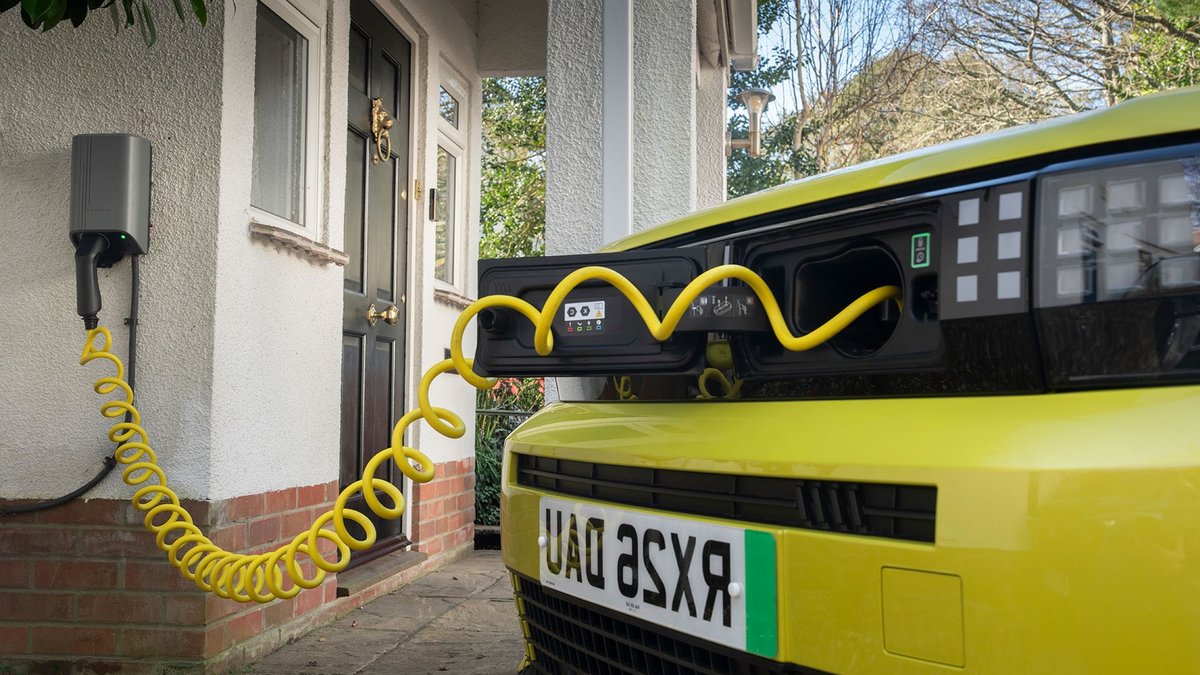
The UK government has confirmed the terms of its new pay-per-mile tax scheme for electric and hybrid vehicles, starting in April 2028. The Electric Vehicle Excise Duty (eVED) will apply to battery-electric cars, plug-in hybrids, and hydrogen fuel cell vehicles, ending reliance on traditional fuel duty for zero-emission models.
How the pay-per-mile tax will work
Battery-electric and hydrogen fuel cell cars will be charged 3 pence per mile, while plug-in hybrids will pay 1.5 pence per mile as those drivers also pay fuel duty. These rates will rise each year in line with the consumer price index.
Drivers will be able to prepay their eVED for the year by providing the government with an estimation of their annual mileage. This will be checked against annual MOT records and, if drivers covered more miles than estimated, they will receive a bill at the end of the year to make up the difference. If they underestimated their mileage, the extra credit will be carried forwards into the new year.
Related: Zenith Defy Revival gets hands on review
In a bid to make the process easier, the government is considering plumbing its new eVED scheme into cars’ telematics systems. The terms of this system haven’t yet been finalised but, in principle, it would allow the scheme to track mileage and issue automatic monthly bills. Legislators said the use of this technology won’t be mandatory as ‘protecting motorists’ privacy as part of eVED is a priority for the government.’ It also said: ‘Any potential technology-based solutions considered in future will only ever be optional.’ Drivers will be able to make payments annually, bi-annually or monthly.
If a car is sold, any mileage already paid for will remain with the vehicle in much the same way VED operated before it was made digital in 2014. That means the government expects eVED to become an additional selling point for electric cars and PHEVs on the second-hand market.
Gaps and complications in the system
It’s worth noting that eVED will apply to drivers who are either partially or wholly exempt from traditional VED, such as those who qualify for Motability. The scheme is essentially acting as a replacement for fuel duty in electric cars.
Related: Lanzante revives McLaren F1’s Le Mans glory
Then there’s the issue of securing mileage readings for brand new cars. Currently, cars that are less than three years old are not required to have an annual MOT, which removes a convenient opportunity for the government to check their mileages. To solve this issue, the government is proposing an extra mileage check at an ‘accredited provider’ on the car’s first and second birthdays. The terms of how this will work haven’t yet been finalised, but the government currently expects it’ll be handled by the dealership when the car is taken for its annual service.
The government has also ruled out the possibility of separating UK mileage from mileage covered abroad. It stands to reason that drivers shouldn’t need to pay for miles not covered on UK roads in their EV, but legislators said: ‘Since the proportion of UK registered cars driving abroad each year is a small proportion of total cars, it is proportionate to prioritise privacy and simplicity over a system of checks to deduct non-UK mileage.’ This could affect Northern Ireland residents who frequently cross into the Republic of Ireland, as they may end up paying for miles driven abroad.


