
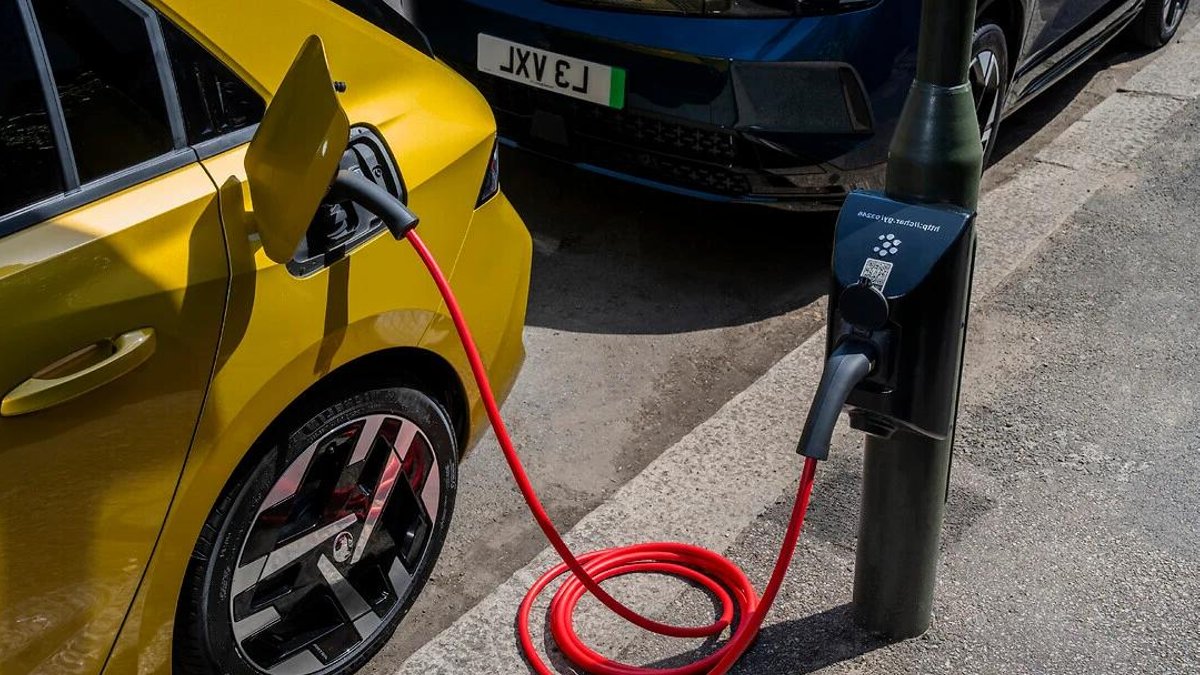
Half of UK councils still lack on-street EV charging despite a significant rise in installations over the past year. A Freedom of Information request covering 414 local authorities shows the proportion of councils providing such facilities has climbed from 31% in 2023 to 39% this year. This shift comes as more than 90% of local authorities now have at least one public charger in their area. The disparity between overall coverage and specific on-street availability remains a primary barrier for residents living in flats or terraced housing without private driveways.
Progress in infrastructure rollout
The number of on-street charge point installations peaked in 2025, with 78 councils installing at least one device during that period. Almost one-third of councils, or 32%, now have a published strategy for on-street residential charging. Additionally, 46% employ a dedicated EV charging policy officer, an increase from 31% in 2023. These staffing changes suggest that local authorities are increasingly formalizing their approach to decarbonization strategies and assigning specific responsibilities to oversee these projects.
Separate data from Zapmap indicates that more than 50,000 public charging points have been added to the UK network since the end of 2023, bringing the total to over 122,000. On-street devices account for 32% of the public charging network and represented more than 55% of new installations during 2025. This rapid expansion highlights the government’s push to expand the charging network, though it creates a stark contrast with the areas where these devices are actually needed most. The reliance on on-street points for new infrastructure reflects the reality that the majority of the UK housing stock lacks private parking.
Regional disparities and demand
Significant regional differences remain in the distribution of this infrastructure. More than 70% of the on-street chargers installed across the UK by the end of 2025 were located in London. This concentration means residents outside the capital face a more challenging transition to electric vehicles due to the lack of accessible charging points near their homes. While urban centers in the southeast have seen substantial investment, rural and northern areas often struggle to attract the same level of infrastructure development.
Approximately 40% of drivers do not have access to a driveway, leaving them more dependent on public infrastructure and potentially unable to benefit from cheaper domestic charging tariffs. Vauxhall launched its Electric Streets of Britain campaign in 2023 to address this specific gap. The initiative allows drivers to register demand for charging infrastructure near their homes. By aggregating this data, the campaign aims to move away from a scattergun approach to installation and focus resources on neighborhoods with the highest need.
More than 13,000 streets have since been registered. Vauxhall has shared this information with charging providers Char.gy, Connected Kerb and Kerbo Charge to help inform their installation plans. Coventry serves as a specific example of this localized approach, with more than 1,856 public charging sockets serving over 9,000 registered users. Vauxhall noted that more than 900 Connected Kerb sockets had been installed within a 15-minute walk of a postcode registered through the Electric Streets programme. This demonstrates how targeted data sharing can lead to immediate, visible improvements in local accessibility.
Meeting fleet transition needs
The availability of residential charging is a critical factor for fleets transitioning company cars and vans to electric power, particularly for drivers who take vehicles home but do not have off-street parking. Without the ability to charge at home, the cost benefits of electric vehicles diminish, as drivers must rely on more expensive public charging options. For business fleets, these additional costs can significantly impact the Total Cost of Ownership (TCO) of electric vehicles compared to internal combustion engine alternatives.
Eurig Druce, Vauxhall managing director and Stellantis UK group managing director, stated that the continued roll-out of EV charging infrastructure is essential to giving drivers the confidence to make the switch to electric. He noted that while it is encouraging to see more than 90% of UK councils now have at least one public charger in their area, the focus must now be on ensuring the right chargers are installed in the right places to best meet the needs of motorists. The psychological barrier of finding a charger can be just as challenging as the physical availability of the equipment.
Druce emphasized that on-street charging remains essential for households without driveways, pointing to the more than 13,000 streets that have registered demand through Vauxhall’s campaign since 2023. The gap between charger availability and driver needs continues to shape the current context of electric vehicle adoption in the UK. Bridging this divide requires a collaborative effort between manufacturers, local authorities, and charging networks to ensure that the infrastructure keeps pace with the growing number of electric vehicles on the road.


