
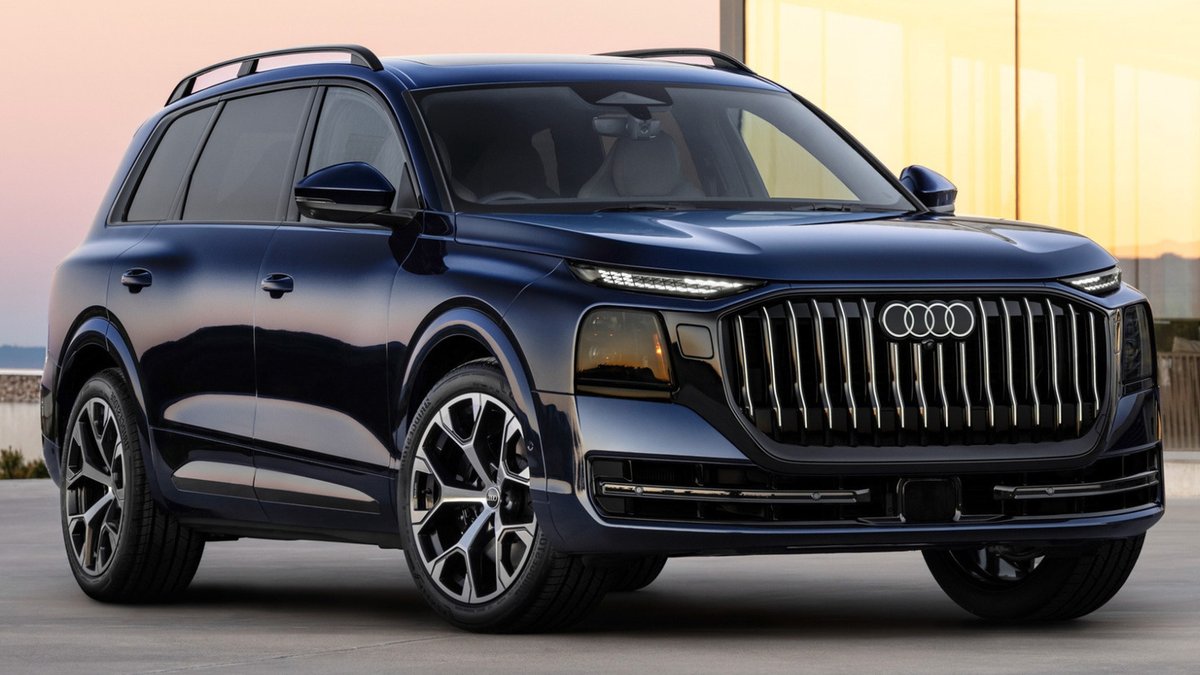
Audi will invest about $4 billion to build a large factory in Georgia, marking the German automaker’s first production plant in the United States. They have evaluated establishing a local facility for over a year, responding to the Trump administration’s tariffs on imported vehicles. The new plant, located at the Middle Georgia Mega Site, is scheduled to begin construction next year with production expected to start in the early 2030s.
Response to Tariffs and Production Strategy
Unlike rival BMW, which manufactures thousands of vehicles in the U.S., Audi currently produces all vehicles sold locally in overseas factories, exposing them to tariffs. These duties cost Audi $1.4 billion in 2018 alone, and they cannot sustain these expenses indefinitely. The Georgia facility will have an annual capacity of up to 200,000 vehicles.
U.S. President Donald Trump announced the plant during a campaign rally in Georgia, introducing Audi Chairman Gernot Döllner to the crowd. The new site will produce premium SUVs, though specific models remain unspecified.
Market Positioning and Global Network
The Georgia plant aims to strengthen Audi‘s presence in North America, one of the world’s most important premium markets. Döllner stated, “We have much greater ambitions for Audi in America…
Audi board member Gerd Walker highlighted the opportunity to design manufacturing from scratch, integrating advanced technologies and developing a local supplier network. They view this as a chance to create a benchmark for premium manufacturing and establish North America as a third pillar of their global production network, alongside Europe and China.
Economic Impact and Industry Comparison
The project will create approximately 4,500 jobs and stimulate opportunities among suppliers and service providers. Audi’s move mirrors strategies by competitors: BMW already produces vehicles in the U.S., while Mercedes-Benz operates a major hub in Alabama, expanding capacity to 340,000 annual units with models like the GLE and EQS SUV.


