
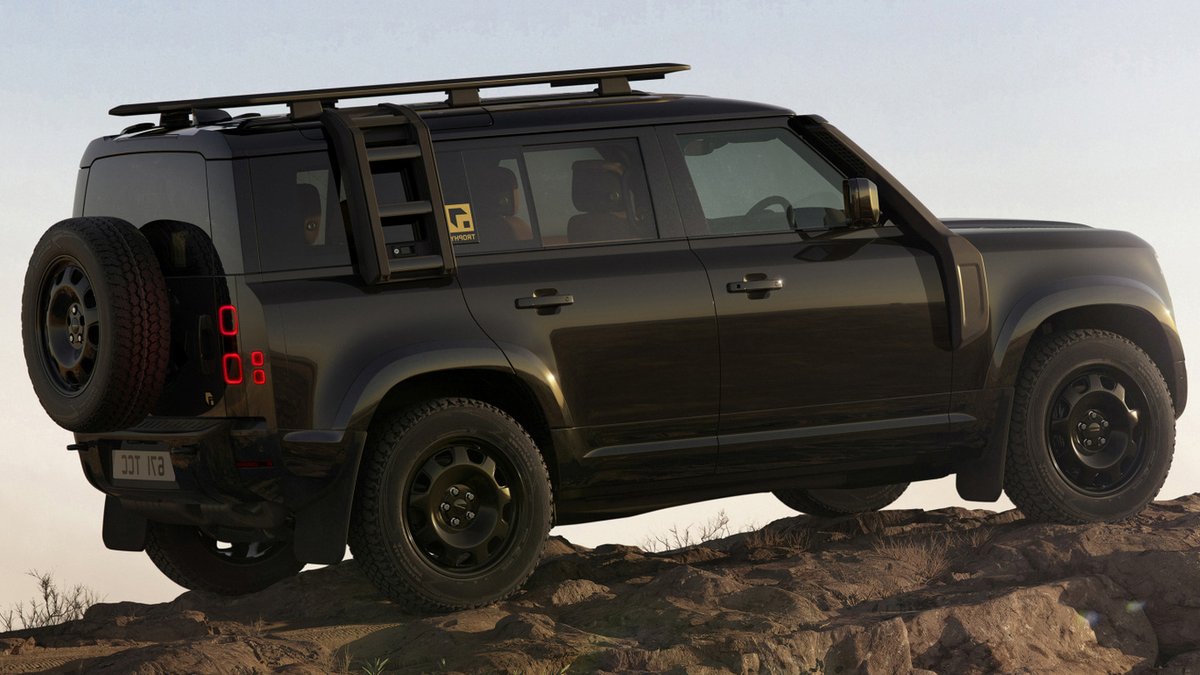
Removing roof rack crossbars from a vehicle can improve fuel economy as aerodynamic drag increases at highway speeds. Automakers spend millions on aerodynamic tuning, but aftermarket accessories often compromise that work. While crossbars and cargo boxes are useful for road trips, keeping them on a daily driver imposes a continuous penalty on efficiency.
Real-World MPG Loss
The primary issue is the increase in aerodynamic drag, which also raises a vehicle’s frontal area and interrupts airflow. This creates turbulence, especially at highway speeds. A few years ago, a test on a Kia Carnival press car showed that removing factory crossbars boosted real-world fuel economy from 25 to 28 mpg, expanding the highway range by 97 kilometers.
Consumer Reports conducted similar testing on a Nissan Altima sedan. Installing a roof rack caused an 11 percent drop in fuel economy, or 5 mpg, at 105 km/h. When a roof carrier box was added, the efficiency loss grew to 19 percent, or 9 mpg. The impact is less dramatic on boxy SUVs, but removing the rack always saves gas money.
Aero Considerations
Soft-core crossovers and minivans suffer the most from these accessories. Drivers of these vehicles will make more frequent stops at gas stations. This adds an avoidable expense to vehicle ownership costs. While rugged SUVs with boxy profiles already struggle with aerodynamics, adding fender extensions, skid plates, or light bars to more aerodynamic sedans or wagons forces drivers to pay for the drag.
Removing unused roof bars clears airflow over the vehicle, reducing the drag coefficient. Even a light-footed driving style cannot fully offset the energy required to push air around a roof rack. The drag penalty is constant and measurable.
Design Trends and Efficiency
Of course, thoroughbred off-roaders such as the Jeep Wrangler, Ford Bronco, Land Cruiser, Toyota 4Runner, Mercedes G-Class and Land Rover Defender were not designed to be the stars of aerodynamic efficiency in the first place. As a result, the minivan’s highway range expanded by a full 60 miles (97 km). Thus, adding fender extensions, skid plates, high-clearance suspension, snorkels, roof racks, and auxiliary LED light bars won’t drastically alter their already boxy drag profiles.


