
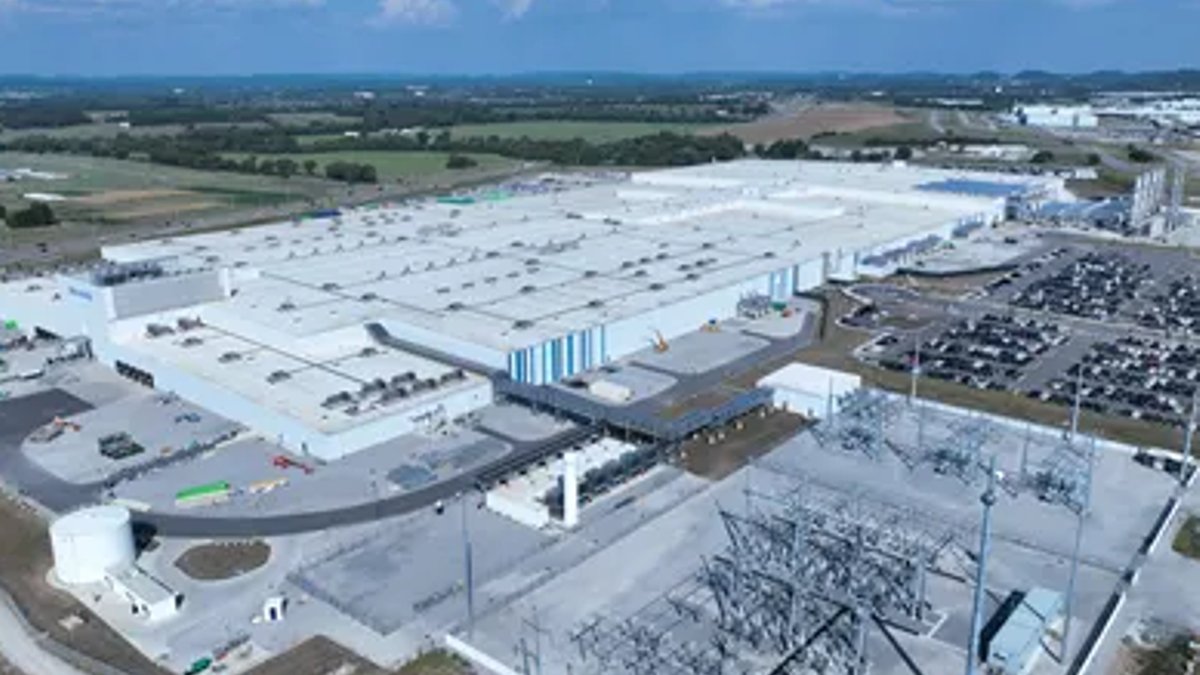
Ultium Cells plans a $1 billion investment to expand operations in Spring Hill, Tennessee, aiming to produce a new type of affordable battery cell for electric trucks and SUVs. The joint venture between General Motors and LG Energy Solution will be the first in the world to mass-produce lithium manganese rich, or LMR, prismatic cells, according to a press release. Together with the supplier’s improvements toward production of lithium iron phosphate cells for energy storage systems, it represents a $1 billion investment by 2030.
New chemistry targets lower costs
Ultium Cells says the Spring Hill facility will produce LFP and LMR chemistries in both pouch and prismatic formats. LMR cells use a higher percentage of lower-cost manganese instead of cobalt, a strategy to reduce expenses without sacrificing density. The company claims these cells offer a 33% boost in energy density compared to standard LFP batteries.
That performance gap is significant because LFP packs currently cost about 40% less per kilowatt-hour than higher-energy alternatives. However, LFP has lower density, requiring more material to achieve the same range. The new chemistry bridges that gap, offering density closer to nickel manganese cobalt cells at a lower price point.
High-nickel batteries will continue to give customers the highest range in our portfolio, while adding LMR positions the company to leapfrog today’s more affordable chemistries and deliver lower costs with better performance, said Kurt Kelty, GM vice president of battery and sustainability. This flexibility allows GM to scale efficiently, reach more customers, and support its long-term EV strategy and profitability journey.
Read Also: Ionna EV Network Doubles US Sites, Hits 180
Local production reduces reliance on foreign suppliers
The move aims to strengthen domestic manufacturing capacity and reduce dependence on Asian battery producers. Globally LFP batteries now account for about 55% of the global EV battery market, and China’s Contemporary Amperex Technology Co. and BYD Co. control the vast majority of supply and accompanying manufacturing capacity. This dominance has forced Western automakers to license technology or form joint ventures, such as Ford Motor Co. with CATL.
Industry data shows that about 60% of cells used for EVs globally are prismatic, the format Ultium Cells plans for its LMR cells. The company says necessary facility modifications will begin later this year, with completion expected in 2028.
Construction work is expected to create 500 new jobs, adding to the current workforce of 1,200. Injae Pahk, President of Ultium Cells, called the project the company’s second major investment in Spring Hill and a reinforcement of its long-term position as a key employer and technology leader in the U.S. battery cell sector.


